


Performers
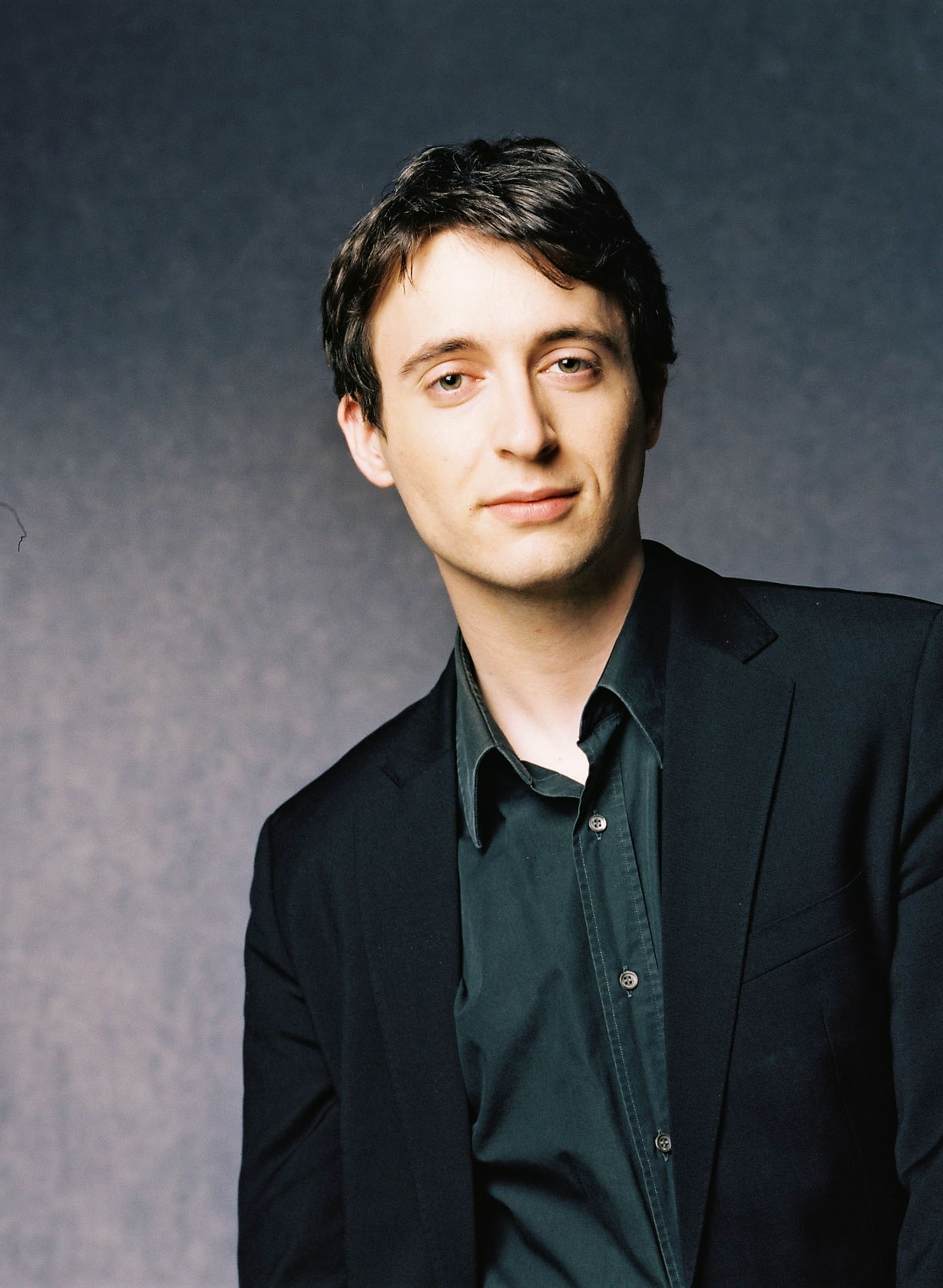
- Jean-Frédéric Neuburger piano
Programme
Johann Sebastian Bach
Chaconne from Violin Partita No. 2 in D minor, BWV 1004 (arr. for piano left hand Johannes Brahms) [15’]
Toccata G major, BWV 916 [9’]
[Presto]
Adagio
Fuga: Allegro e presto
Keyboard Partita No. 2 in C minor, BWV 826 [22’]
Sinfonia: Grave adagio – Andante – Allegro
Allemande
Courante
Sarabande
Rondeaux
Capriccio
Concert description
The story of Johann Sebastian Bach’s life is usually told through traveling with him from Eisenach to Leipzig, with stops in Lüneburg, Arnstadt, Mühlhausen, Weimar and Köthen, and excursions to at least Lübeck and Dresden. In Weimar, Bach probably wrote most of his organ music – Duke Wilhelm Ernest of Saxe-Weimar-Eisenach hired him as organist. Perhaps during Bach’s first stay in that city, when he held the position of violinist, five toccatas for keyboard instruments were written; among them, the G major BWV 916. In Köthen, the composer was particularly preoccupied with secular instrumental music – sonatas and partitas for solo violin (such as BWV 1004), cello suites or Brandenburg Concertos. The Calvinist chapel didn’t provide many opportunities for rich settings of services. Bach’s employer, Prince Leopold, valued music, and bought the composer out from his uncle, offering a promotion to Kapellmeister and a 400 thaler raise (family ambitions and animosities were also at play here). Leipzig, in turn, is where most of the cantatas were written – their preparation was required by the cantor position he held there from 1723 until his death in 1750 – as well as passions and oratorios. However, there are works in Bach’s oeuvre that do not quite fit into this chronological-geographical narrative. An example of these are the six keyboard partitas, which include BWV 826 – works that are essentially suites, i.e. collections of dances, published in the Leipzig era under the Clavier-Übung (literally, Keyboard Exercise) title.
– Dominika Micał (pisanezesluchu.pl)