


Performers
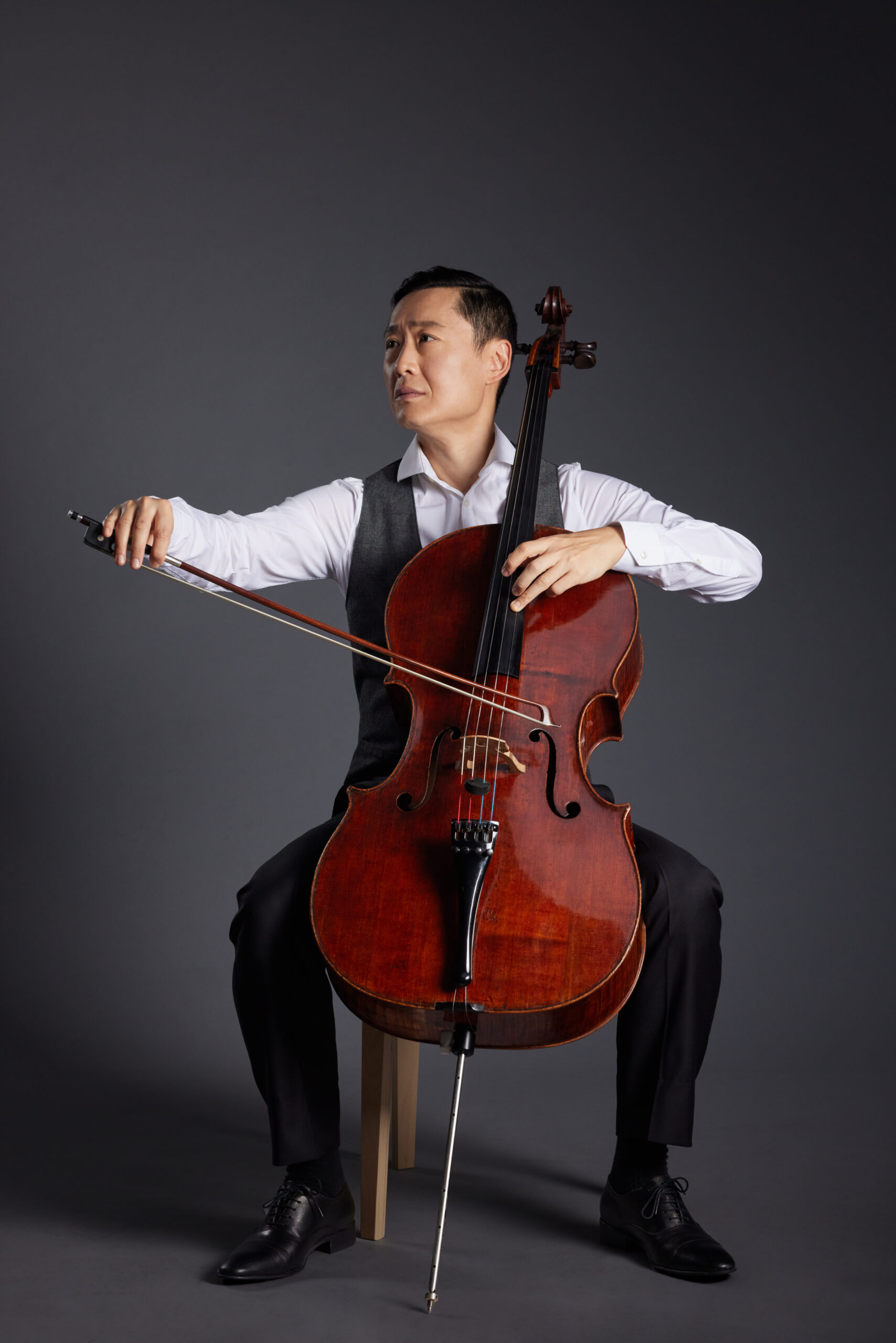
- Trey Lee cello, leader, arrangements
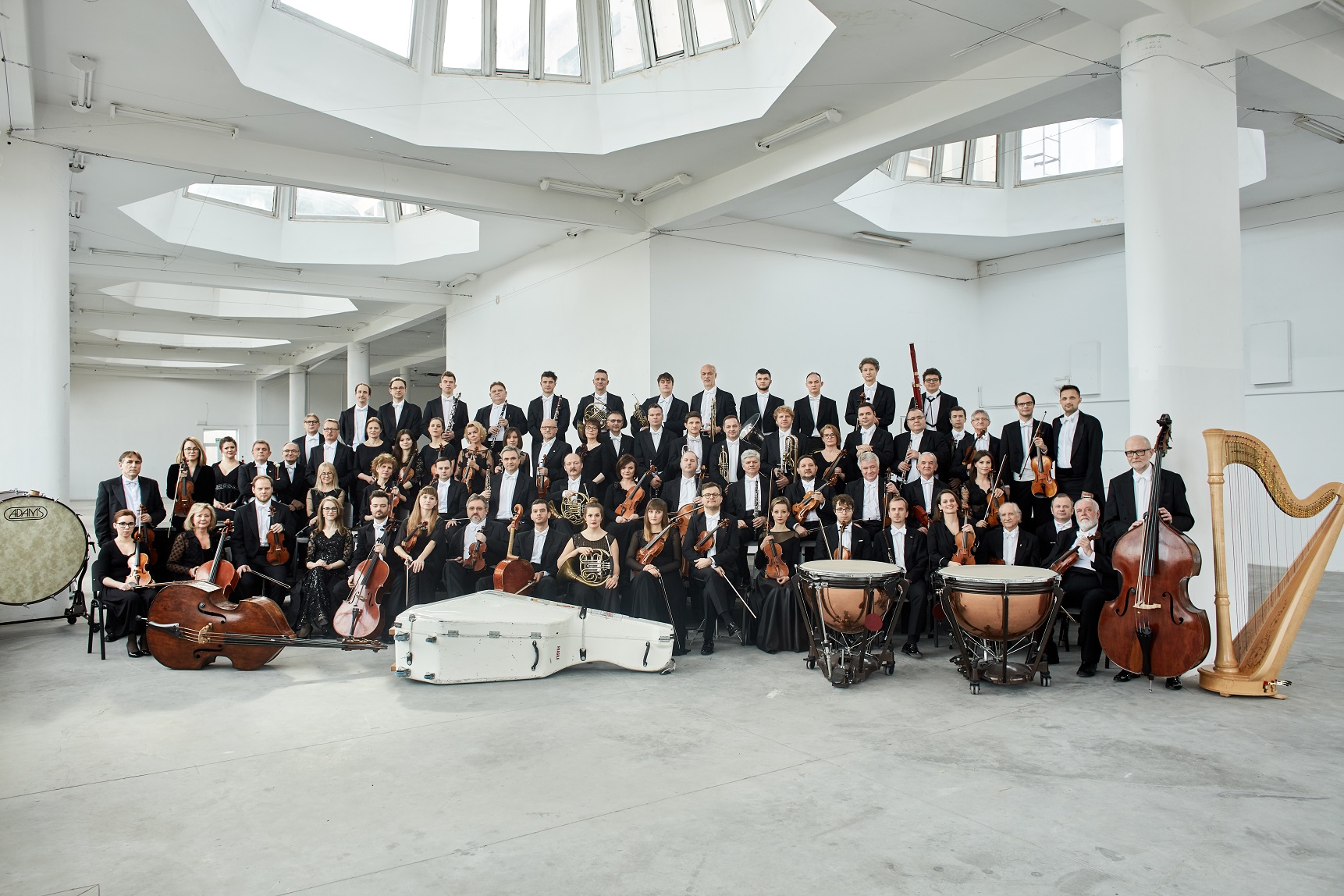
- Sinfonia Varsovia – strings
Programme
Astor Piazzolla
Estaciones Portñas (Four Seasons in Buenos Aires)
Verano Porteño (Summer) [10’]
Otoño Porteño (Autumn) [6’]
Invierno Porteño (Winter) [7’]
Primavera Porteña (Spring) [6’]
Ave Maria [5’]
Kurt Weill Tango Youkali (C’est pres qu’au bout du monde…), song from incidental music to play Marie Galante by Jacques Deval [5’]
Concert description
No one knows exactly where tango comes from or what its name means. Today – or rather, since the second half of the 19th century – tango has been an emblematic Argentine dance, inextricably linked with passion and love, combining violence with melancholy. At the height of classical tango’s popularity, i.e., in the interwar period, Kurt Weill used it in the music for a play based on Jacques Deval’s novel. The title character, Maria Galante, is kidnapped, abandoned, involved in prostitution and a spy scandal, and when she can finally afford to return to her native France, she is murdered. Despite its sensational plot, the show was a failure. However, the song Youkali (the title refers to the island of happiness that the main character dreams of) outlived the play and became a jazz standard. Unusually, Roger Fernay had to write lyrics to fit the existing melody. The revolution in the world of tango came later and was brought about by its most famous creator today, Astor Piazzolla. He moved away from the classical line-up, increasing the size and weight of the pieces. For his quintet – violin or viola, piano, electric guitar, double bass, and bandoneon – he wrote, for example, the collection Estaciones Porteñas, conceived as four separate compositions but often performed together. It begins with Summer, because that was the earliest to be written. Ave Maria, originally titled Tanti anni prima (“Many Years Ago”), is a moody piece from the soundtrack to the film Henry IV, directed by Marco Bellocchio.
– Dominika Micał (pisanezesluchu.pl)