


Performers
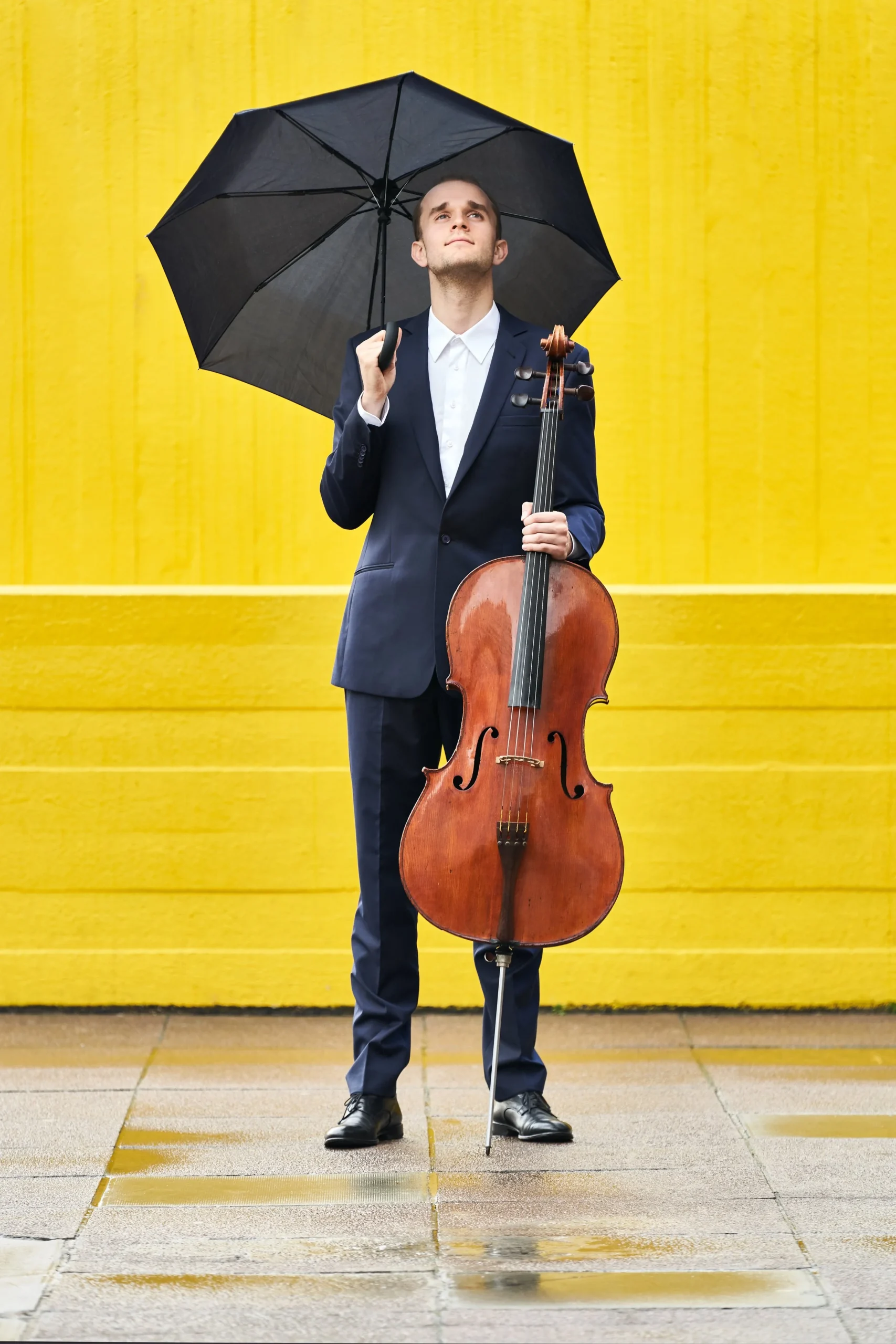
- Maciej Kułakowski cello
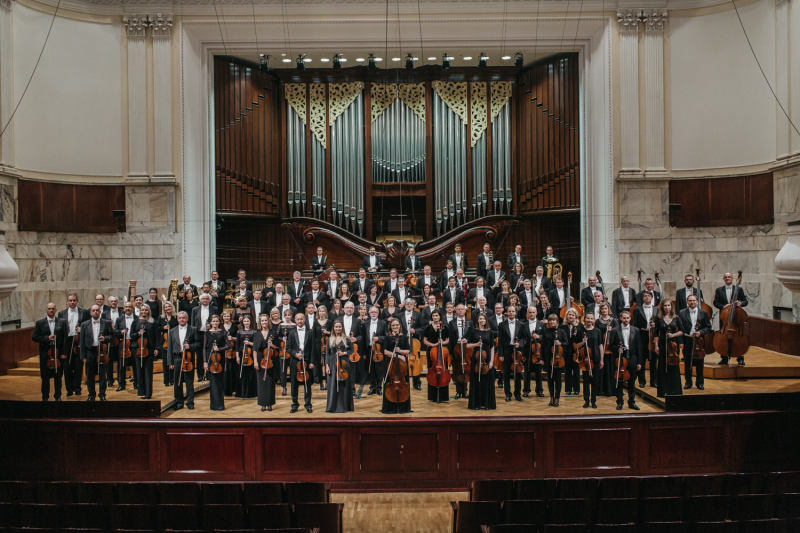
- Warsaw Philharmonic Orchestra
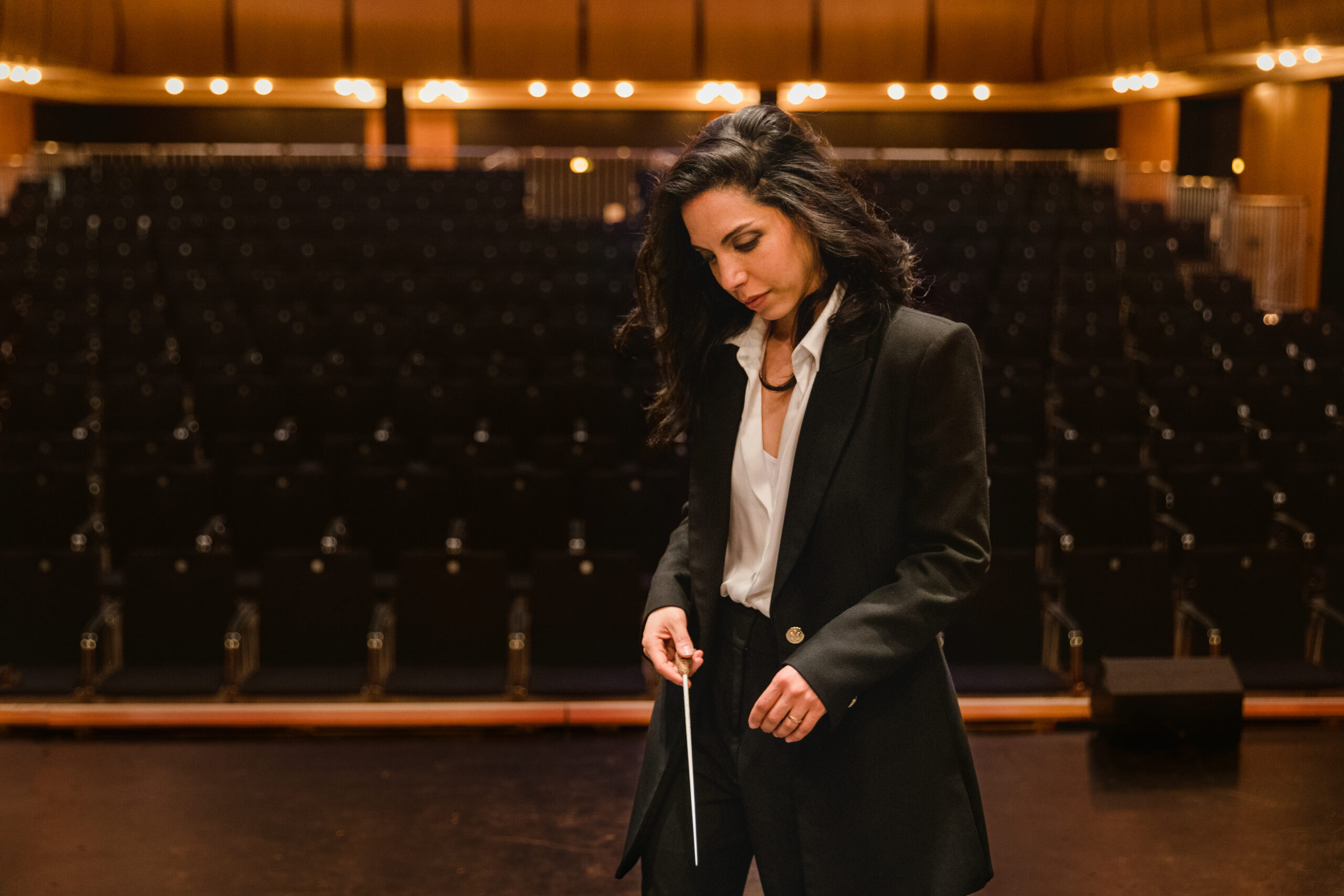
- Bar Avni conductor
Programme
Edward Elgar Cello Concerto in E minor, Op. 85 [30’]
I. Adagio – Moderato
II. Lento – Allegro molto
III. Adagio
IV. Allegro – Moderato – Allegro, ma non troppo – Poco più lento – Adagio – Allegro molto
Benjamin Britten The Young Person’s Guide to the Orchestra: Variations and Fugue on a Theme of Henry Purcell, Op. 34 [18’]
Theme A: Allegro maestoso e largamente (tutti)
Theme B (woodwinds)
Theme C (brass)
Theme D (strings)
Theme E (percussion)
Theme F (tutti)
Variation A: Presto (flutes and piccolo)
Variation B: Lento (oboes)
Variation C: Moderato (clarinets)
Variation D: Allegro alla marcia (bassoons)
Variation E: Brillante – Alla polacca (violins)
Variation F: Meno mosso (violas)
Variation G: [L’istesso tempo] (cellos)
Variation H: Comminciando lento ma poco a poco accelerando al Allegro (double basses)
Variation I: Maestoso (harp)
Variation K: Vivace (trumpets)
Variation L: Allegro pomposo (trombones and tuba)
Variation M: Moderato (percussion)
Fugue: Allegro molto
Concert description
If a poll were held for the most misguided critics’ comments, Oscar Schmitz’s infamous statement would certainly rank high. In 1904, he described England as “a country without music.” Ironically, the late 19th century and the first two decades of the 20th century saw the peak of Edward Elgar’s creative abilities and popularity – he gained fame not only in his native British Isles, but also in continental Europe and the United States, and his four-movement Cello Concerto in E minor proved to be his most beloved instrumental work among performers and audiences alike. The beginning of this piece is one of the most dramatic moments in music, not only of late Romanticism. While Elgar’s work usually fit into the pan-European style (except for his oratorios!), the much younger Benjamin Britten eagerly drew on local heritage. One of the best examples of this is The Young Person’ Guide to the Orchestra. The theme of the series of variations, in which individual instruments are presented, is Henry Purcell’s dance rondo, which is an act tune, i.e., a piece performed between acts of a play, from the revival of the play Abdelazer by English writer Aphra Behn at the end of the 17th century. The idea of attractive, engaging education is also highly valued in Great Britain. The Young Person’ Guide to the Orchestra was initially a musical illustration for a film about a symphony orchestra. The finale of the piece made a particular impression – a frenzied fugue (no one envies the flutists for their breakneck solo opening!), in which Purcell’s theme returns at the end in a triumphant orchestral tutti.
– Dominika Micał (pisanezesluchu.pl)