


Performers
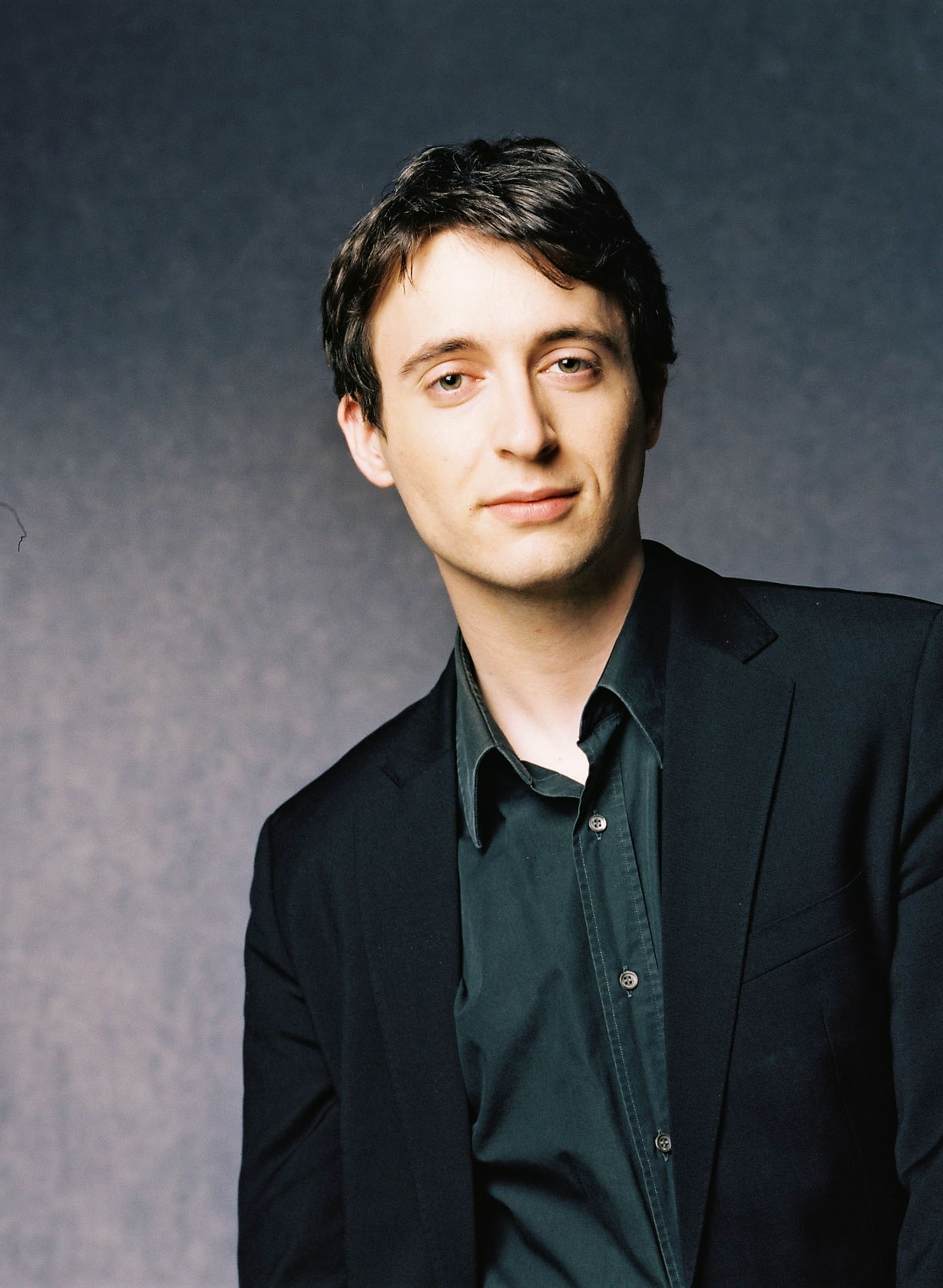
- Jean-Frédéric Neuburger piano
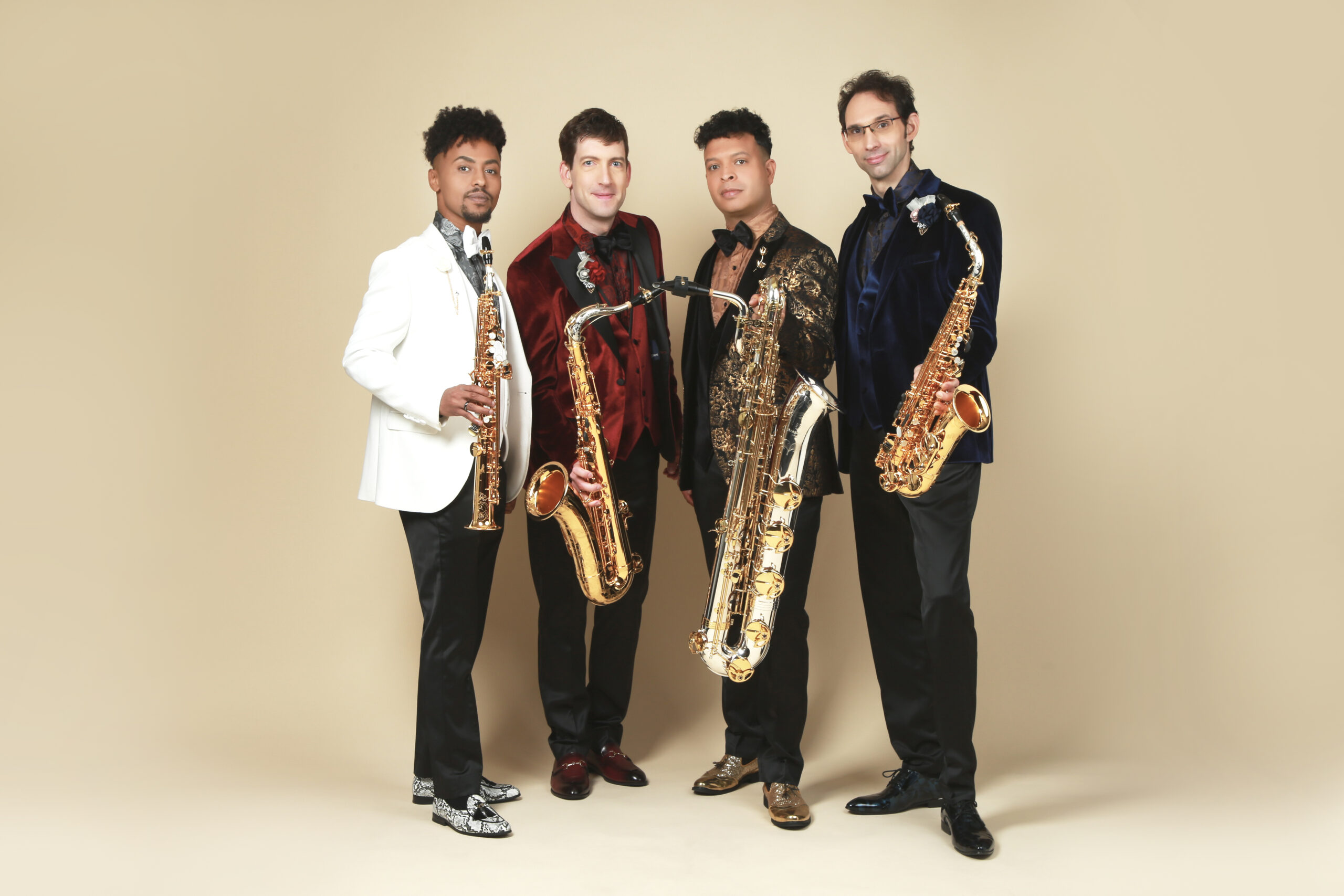
- Quatuor Ellipsos
- Paul-Fathi Lacombe saksofon sopranowy
- Julien Bréchet saksofon altowy
- Sylvain Jarry saksofon tenorowy
- Nicolas Herrouët saksofon barytonowy
Programme
Louise Farrenc Sextet in C major, Op. 40 (selection, arr. for saxophone quartet and piano) [13’]
II. Andante sostenuto
III. Allegro vivace
Fernande Decruck Pavane (arr. for saxophone quartet) [5’]
Juliette Dillon Le choix d’une fiancée (No. 5) from Contes fantastiques de Hoffmann (The Fantastic Tales of Hoffmann) for piano solo [3’]
Georges Bizet Farandole from the incidental music to the play L’Arlésienne by Alphonse Daudet (arr. for saxophone quartet Nicolas Herrouët) [3’]
Georges Bizet/Jun Nagao Carmen Rhapsody for saxophone quartet and piano [16’]
Concert description
While walking the streets of Paris in the 19th century, we would certainly have heard the shouting of boys selling newspapers, the neighing of horses, the singing coming from cafes and wine shops, the clatter of wheels and heels on the cobblestones. And we would undoubtedly have passed many more female composers than we might have assumed – Victorine Louise Farrenc or Juliette Dillon, for example (to meet their younger colleague Fernande Decruck, we would have had to travel to the French capital only after World War I). Both romantic instrumentalists and authors disappeared into the darkness of history, not least because they died prematurely, both in their early thirties. Today, their music is happily being rediscovered. The choice of saxophone arrangements, while it may seem a bit exotic at first glance, is not at all random. Although the instrument was patented by Belgian Adolphe Sax, it began its career in Paris. It appealed to Georges Bizet, for example, who used it in the theater music for Alphonse Daudet’s L’Arlésienne. Although the eponymous character never appears on stage, she is the keystone of the plot. The main character of the composer’s most famous opera is somewhat different – Carmen’s presence is downright overpowering to the men she encounters. Librettists Henri Meilhac and Ludovic Halévy have created here one of the most expressive women in the history of musical theater.
– Dominika Micał (pisanezesluchu.pl)