


Performers
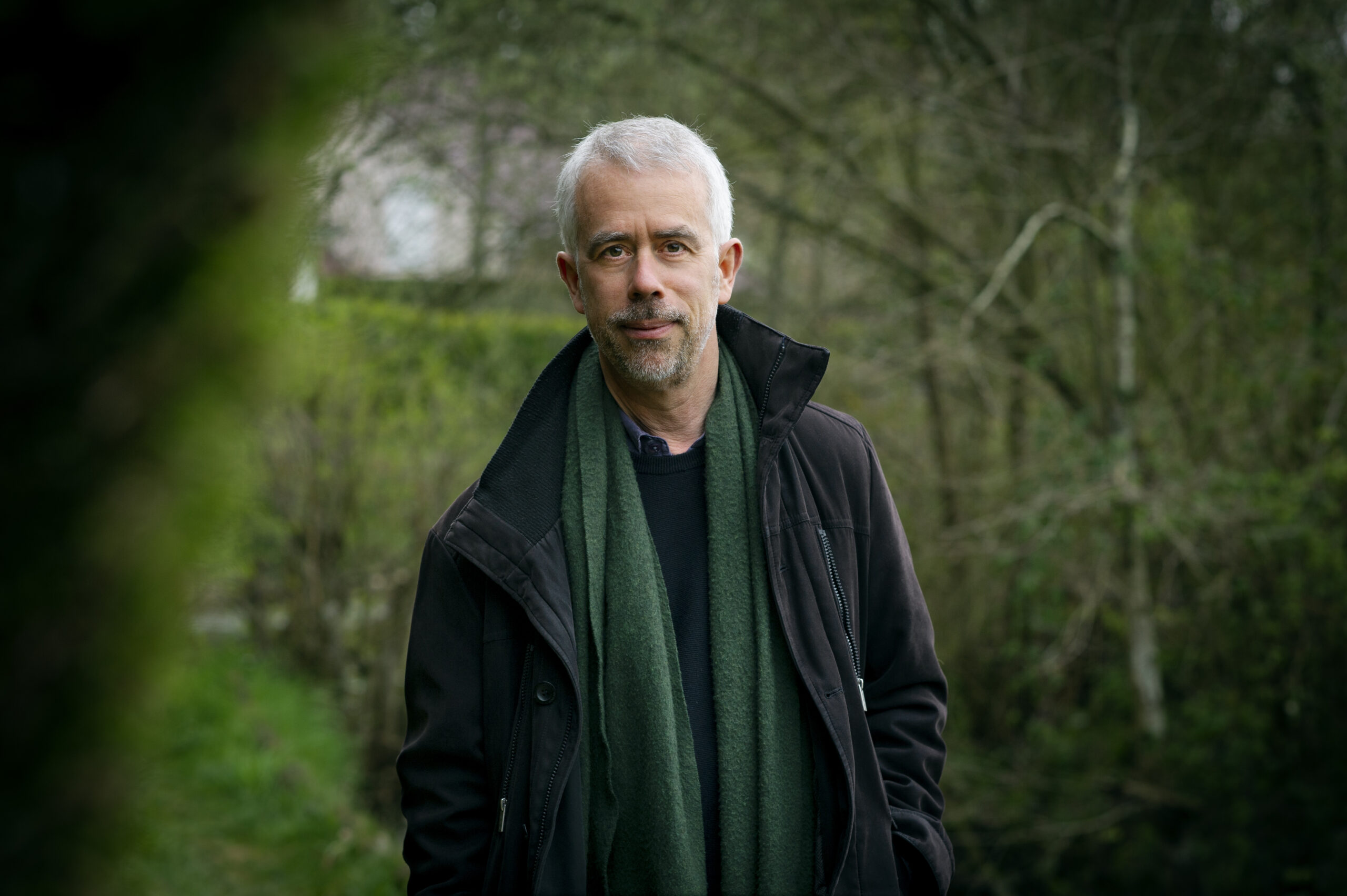
- Pierre Hantaï harpsichord
Programme
Georg Friedrich Händel
Allemande from Suite in E minor, HWV 438 [3’]
Suite in D minor (collated by Pierre Hantaï) [21’]
Overture to the opera Il pastor fido, HWV 8a (selection, anonymous arr. for keyboard)
Allemande from Suite HWV 436
Courante from Suite HWV 437
Sarabande from Suite HWV 438
Menuet with Variations from Suite HWV 436
Gigue from Suite HWV 438
Suite in D minor, HWV 428 [26’]
Prelude: Presto
Fugue: Allegro
Allemande
Courante
Aria and 5 Variations
Presto
Concert description
Niccolò Paganini was not the first composer accused of dealing with the devil. Georg Friedrich Händel had been suspected of this earlier, after playing the harpsichord in Rome in a strange position, with his hat under his arm. In the Eternal City, he caused a sensation, especially as a performer. At the invitation of Cardinal Pietro Ottoboni, he even competed with Domenico Scarlatti. Scarlatti won the harpsichord competition, Händel – the organ one (how to arrive at a Solomonic solution here?). In 1720, already in London, the composer decided to publish his keyboard suites, personally supervising the printing for the only time in his life. He was prompted to do so by a well-founded suspicion that an unauthorized publication was being planned in Amsterdam. After Queen Anne’s Statute of 1710, pirates could no longer legally print them in the Kingdom of Great Britain. Händel beat them to it, and after the incident he obtained a royal privilege giving him full exclusivity for the publication of his music in England. The composer reworked selected pieces until the very last moment. The Suite in D minor, HWV 428 contained old material – the first version of the Aria and Variations was written as early as 1705, while Händel wrote the completely new Allemande and Courante especially for the publication. The audience always liked novelties… The pasticcio – that is , collated of parts of other works – Suite in D minor composed by Pierre Hantai is therefore nothing strange, but simply an emanation of Baroque practice, better known from opera, but also present in other genres.
– Dominika Micał (pisanezesluchu.pl)