


Performers
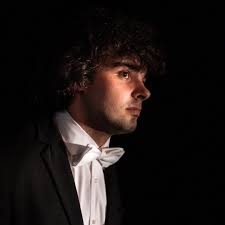
- Martín García García piano
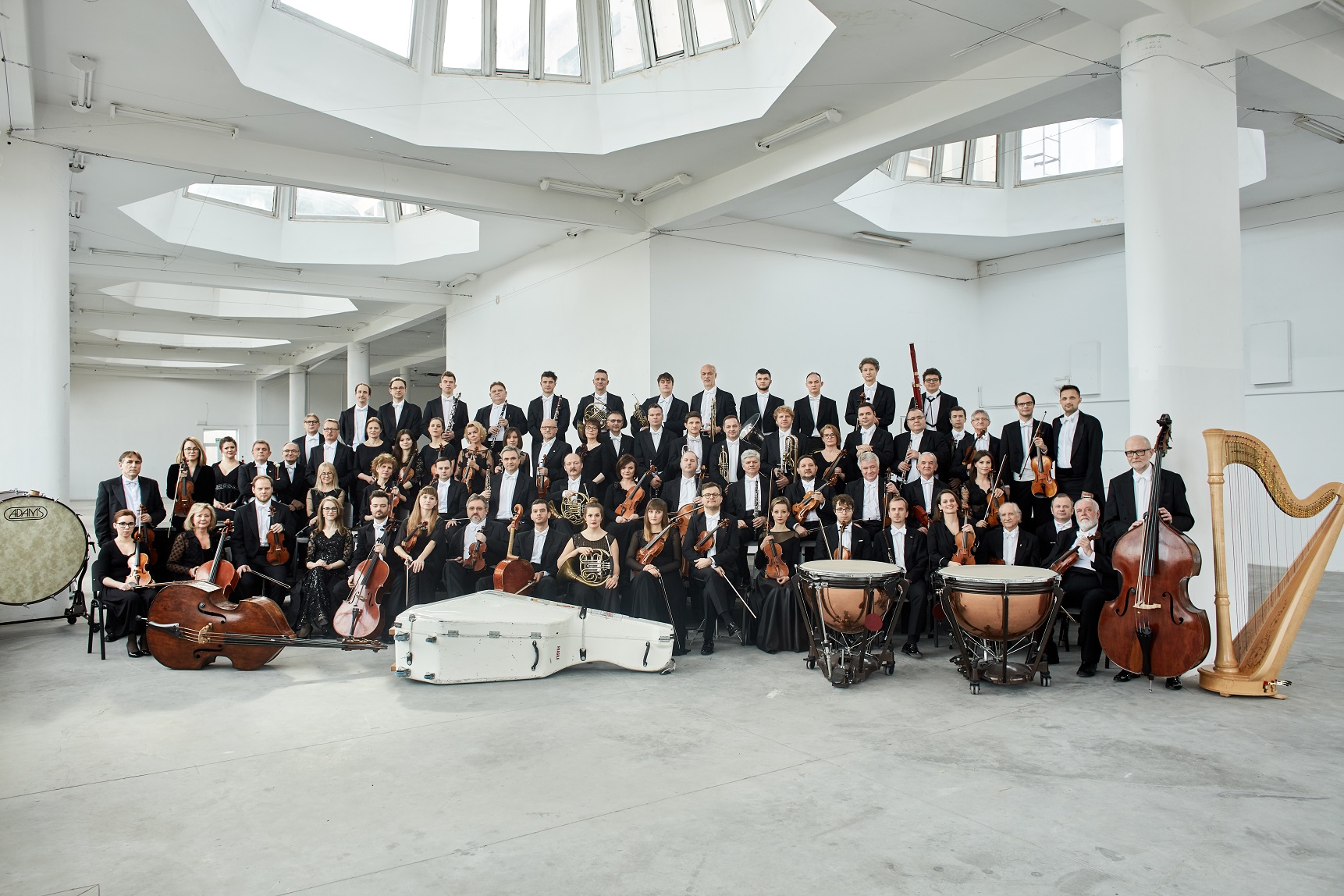
- Sinfonia Varsovia
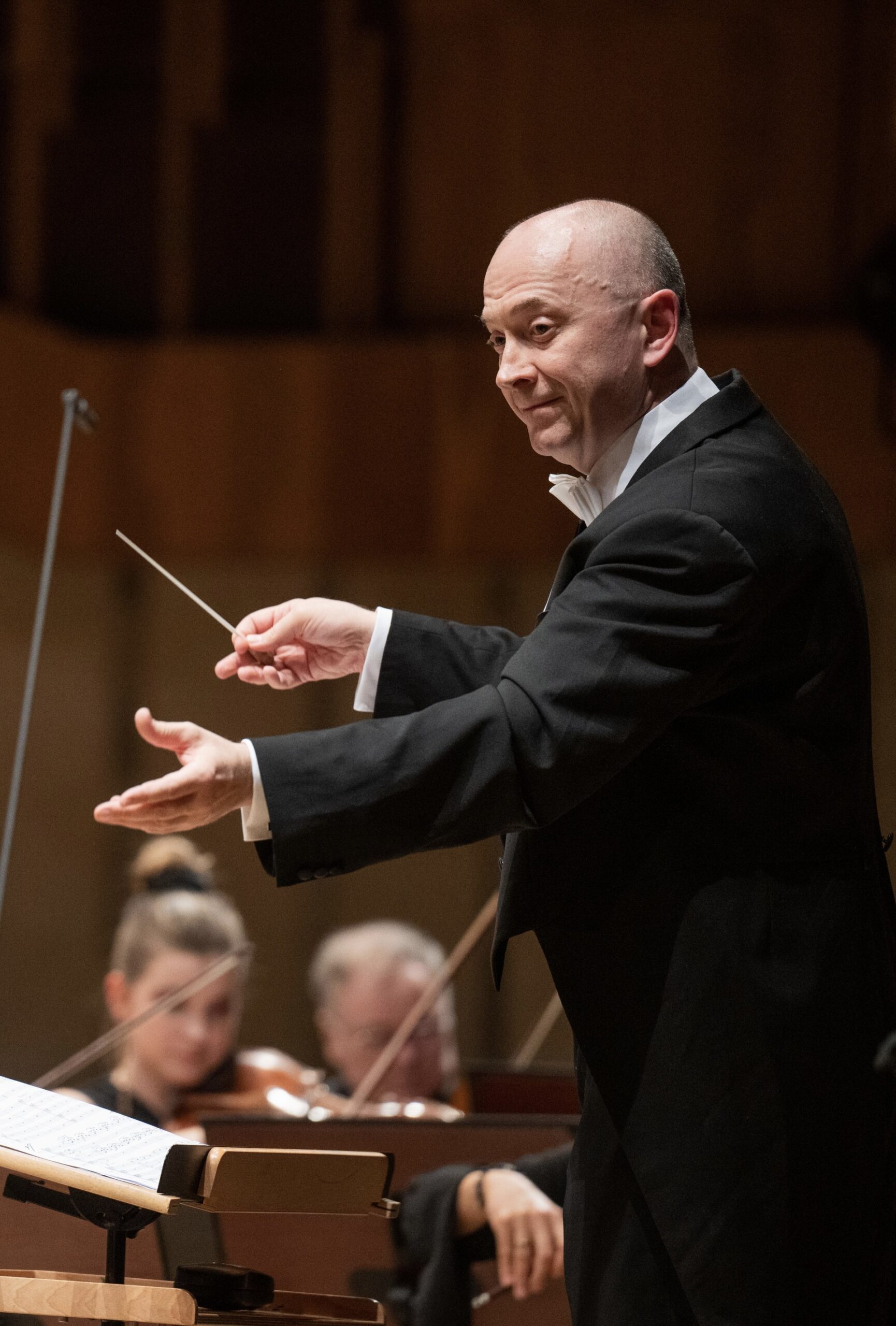
- Michał Klauza conductor
Programme
Witold Lutosławski Symphonic Variations for orchestra [9’]
Karol Szymanowski Symphony No. 4, Op. 60 Concertante for piano and orchestra [25’]
I. Moderato. Tempo comodo
II. Andante molto sostenuto
III. Allegro non troppo, ma agitato ed ansioso
Maurice Ravel Bolero [15’]
Concert description
Fascination with France and French music was not uncommon among Polish composers in the first half of the 20th century. For example, the Association of Young Polish Musicians in Paris had been active since 1926. Piotr Perkowski founded it after Karol Szymanowski persuaded him to study in the City of Light. The composer of Violin Concerto No. 2 himself already clearly preferred French music to German music, which he even called his “grave.” And although he composed his Symphony No. 4 “Concertante” much later, already under the influence of other ideas (such as the Great Lechia theory), the work is dominated by a neoclassical style and Gallic (i.e. French) clarity. Szymanowski performed it as a pianist in many European cities, including Lyon and Paris. 1926 was also the year of what is probably the oldest recording of Maurice Ravel’s La Valse, conducted by Albert Coates. Although the waltz is famous, the composer’s other orchestral dance, Bolero, written two years later, is known even better, with its memorable, obsessively repeated rhythm. Both Ravel and Szymanowski were highly regarded by Witold Lutosławski. He made his official debut as a composer in the 1930s with Symphonic Variations, a work that reveals a French-inspired love for clarity, lightness, and attention to detail.
– Dominika Micał (pisanezesluchu.pl)