



Performers
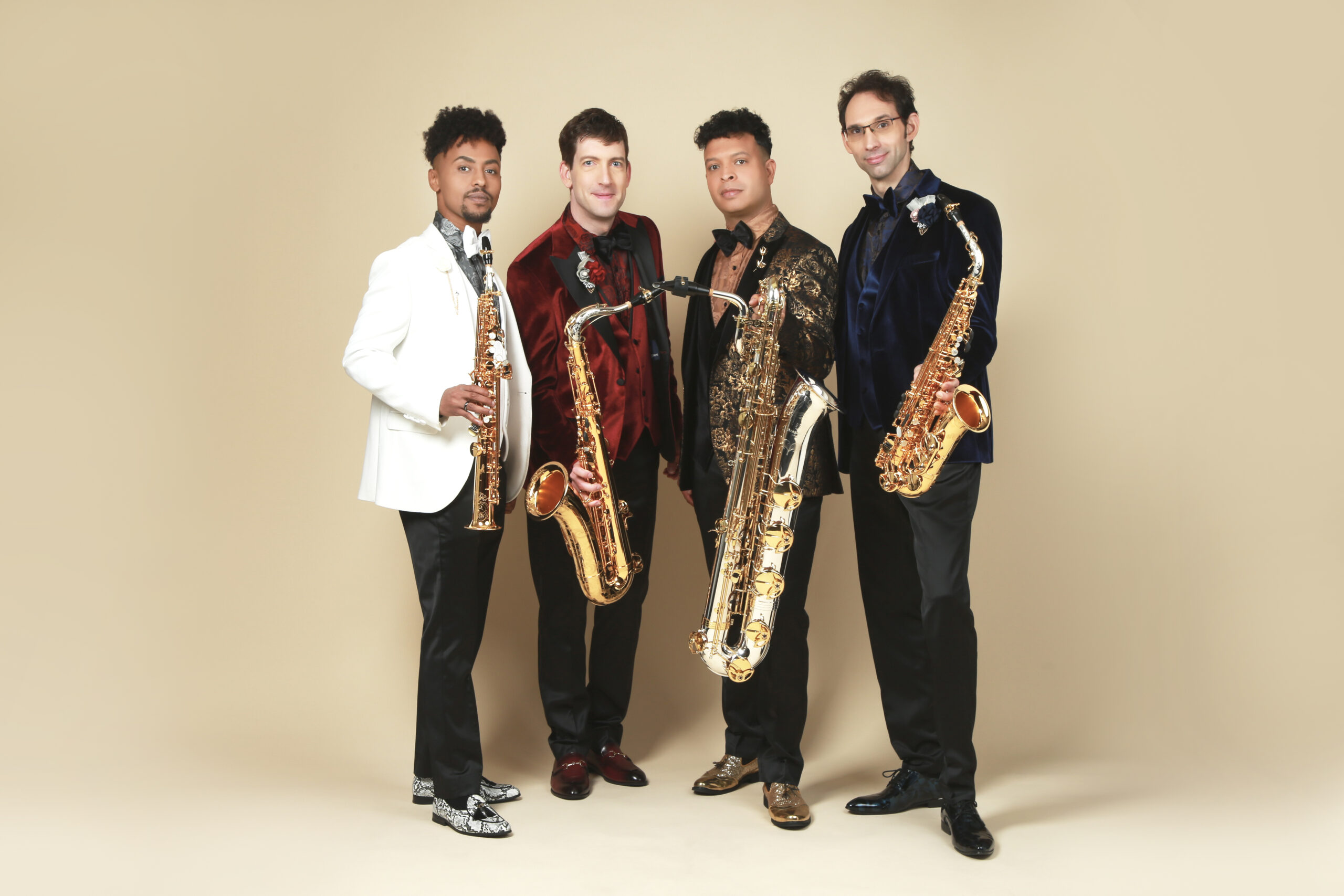
- Quatuor Ellipsos
- Paul-Fathi Lacombe saksofon sopranowy
- Julien Bréchet saksofon altowy
- Sylvain Jarry saksofon tenorowy
- Nicolas Herrouët saksofon barytonowy
- Tomasz Rożek narrator
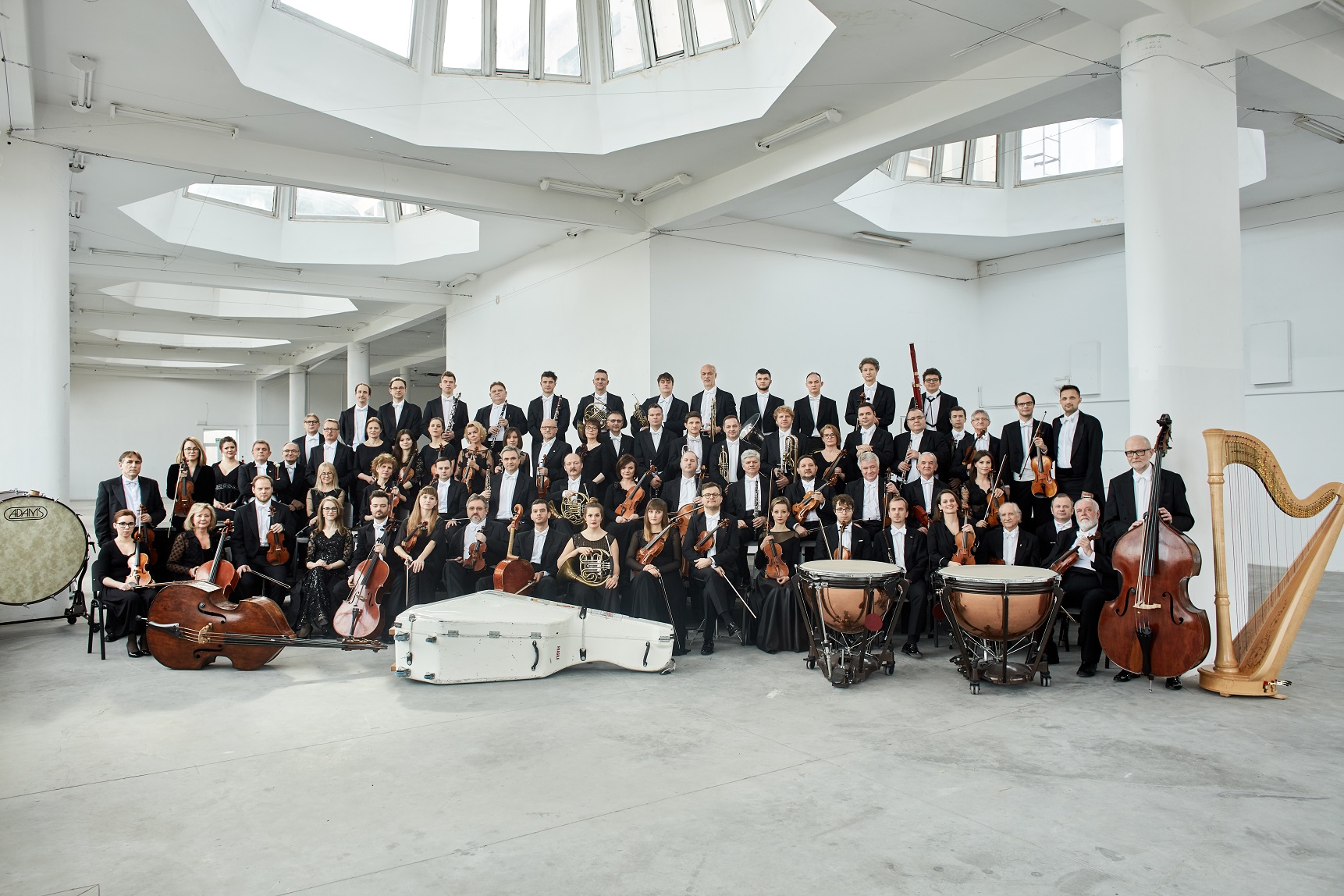
- Sinfonia Varsovia
- Young Performers from music schools*
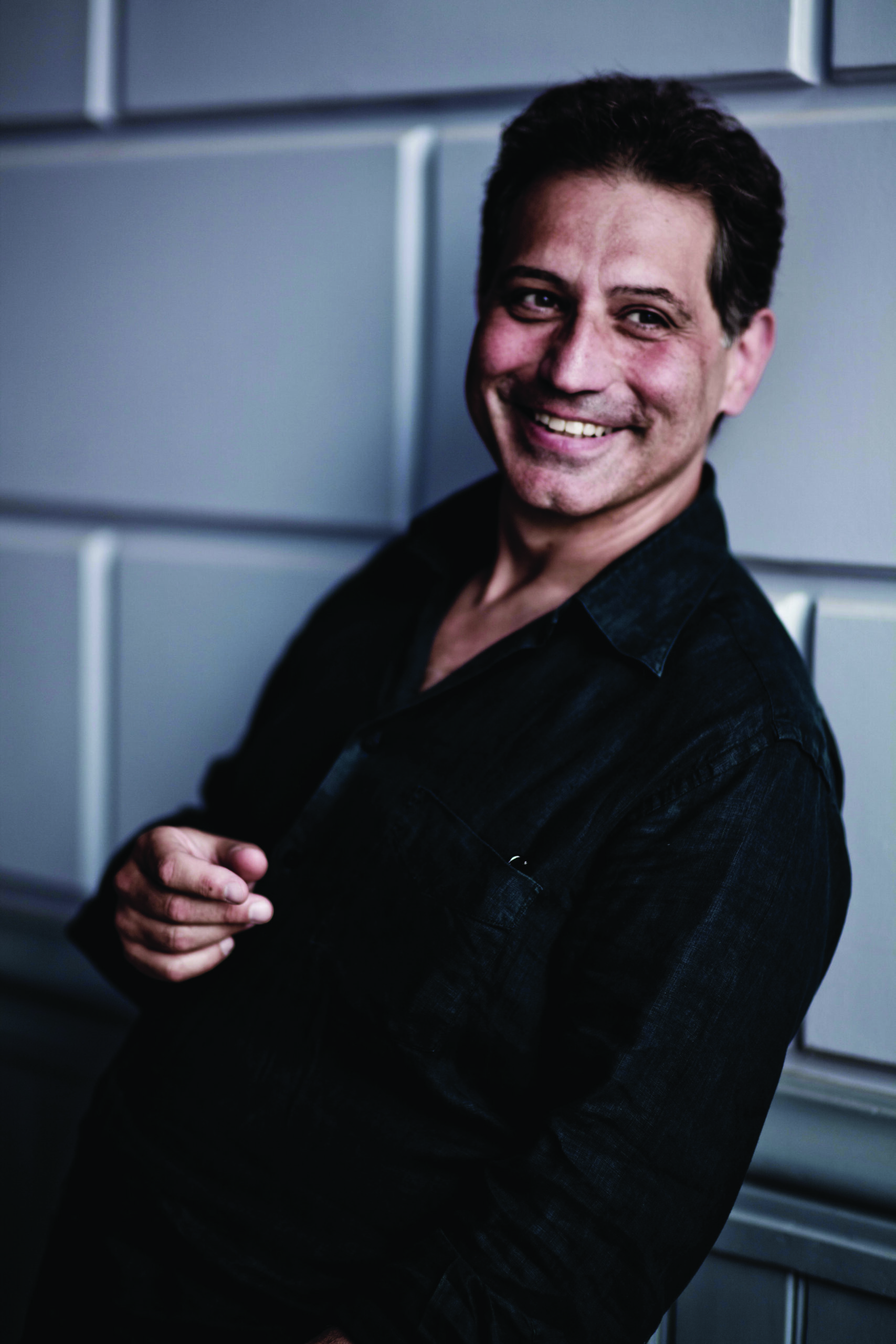
- Jean-François Verdier conductor
Programme
Missy Mazzoli Sinfonia for Orbiting Spheres [9’]*
Fabien Waksman A Dream for Artemis. Lunar Fantasy for saxophone quartet and orchestra (Polish premiere) [30’]**
I. Before the Moon Rush
II. Ignition Sequence Start
III. 4 Soul Space Debris Haunting LEO
IV. Artemis to the Highest Frontier
Arturo Márquez Conga del Fuego Nuevo (Conga of the New Fire ceremony) [5’]
Concert description
Before the Apollo 11 mission put man on the Moon, it was music that transported listeners into space. Fortunately, even after humans set foot on the silver globe, composers continued to be inspired by it, and the universe did not become any less mysterious or stimulating. The dream of the Moon inspired Fabien Waksman’s A Dream for Artemis. Lunar Fantasy for saxophone quartet and orchestra. The eponymous Artemis is not only Apollo’s sister, goddess of the hunt and the Moon, but also the patroness of NASA’s current space program. Missy Mazzoli, one of the first female composers to be commissioned by the New York Metropolitan Opera, in Sinfonia for Orbiting Spheres revives the ancient concept of the harmony of the spheres with new means – a recorded electronic layer and instruments unusual for an orchestra, such as the melodica, harmonicas and… a spring. Conga del Fuego by Nuevo Márquez, on the other hand, refers to the cosmic dimension of the Xiuhmolpilli ceremony, organizing the Aztec calendar, in which the old was burned with fire and the new emerged from the flames.
– Dominika Micał (pisanezesluchu.pl)
Space exploration has from the outset reflected both the best and the worst of human nature. The race to orbit began, after all, on the back of repurposed ballistic missiles, as part of the contest between superpowers.
Yet once we arrived there, our creativity exploded. Barely eight years separated Gagarin’s flight from the complex landing on the Moon. The technologies developed at the time became the foundation for decades of progress.
Spacefaring also proved to be a field for easing geopolitical tensions. During the Apollo 13 mission, the USSR offered support in communicating with the damaged spacecraft, while the docking of Apollo CSM with Soyuz 19 became a symbol of détente.
Space missions produced heroes, but also tragedies. The loss of the Apollo 1 and Soyuz crews, and the shuttle disasters, served as stark reminders that space does not forgive mistakes. Yet the rewards of taking such risks were knowledge and groundbreaking technologies
Then came the International Space Station, a symbol of civilisational cooperation. The Voyager probes, still operating, have crossed the boundary of our solar system. Robots have not only roamed the surface of Mars on wheels but have even flown above it.
Entrepreneurs, too, entered the field. Ambitious billionaires became the faces of new ventures, promising cities in orbit and on Mars. Sadly, the darker side of our nature has resurfaced as well, in the form of the growing militarisation of space. The question of whether, in the near future, we shall look to the heavens as explorers or as generals remains unresolved.
— Krzysztof Kurdyła (Nauka. To Lubię Foundation)