



Performers
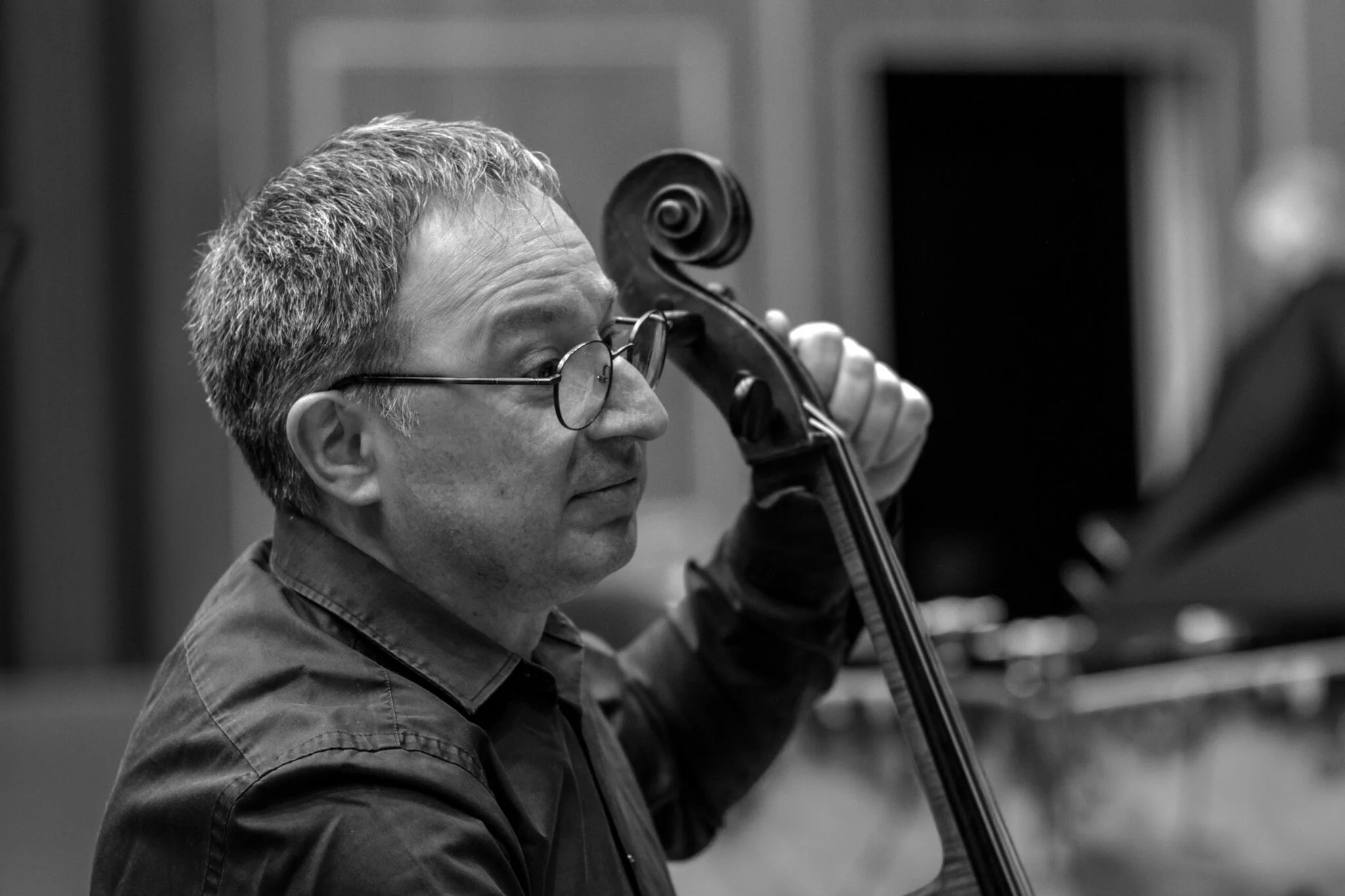
- Emmanuel Balssa viola da gamba*
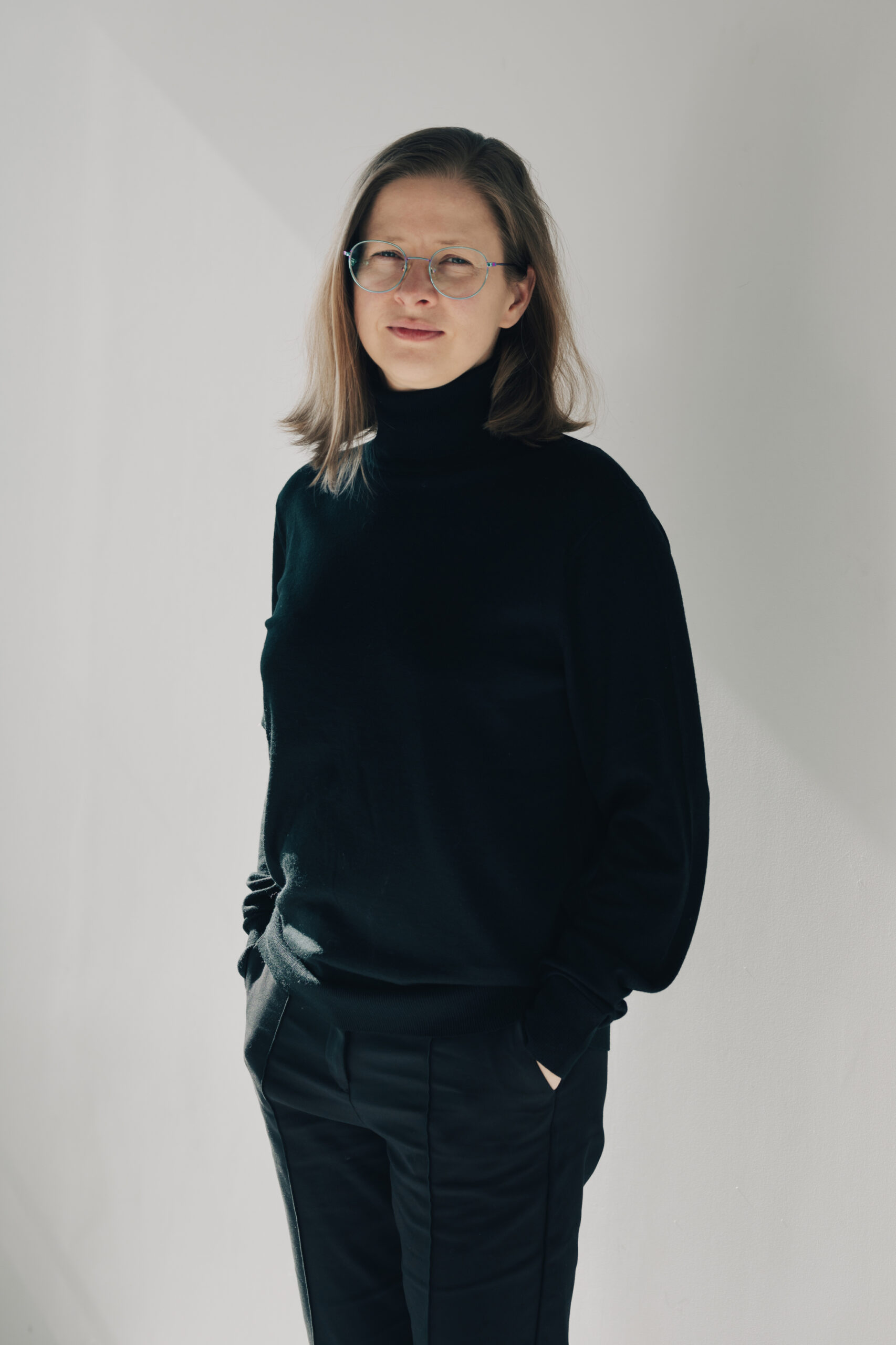
- Katarzyna Drogosz pianoforte**
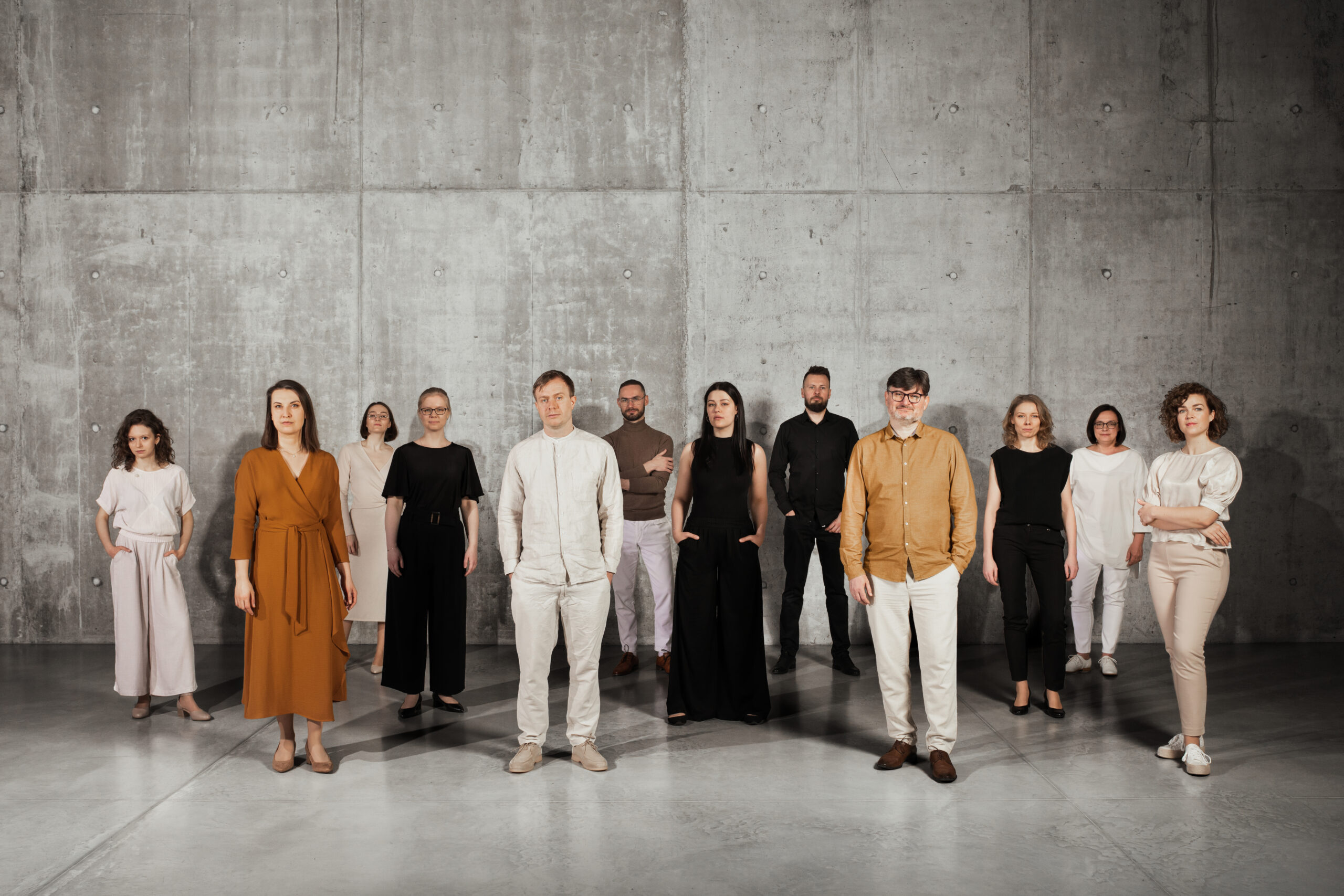
- Arte dei Suonatori
Programme
Johann Christian Bach (1735–1782) Allegretto (mov. III) from Keyboard Sonata in C minor, Op. 5 no. 6 [5’]**
Wolfgang Amadeus Mozart (1756–1791) Piano Concerto in E-flat Major, K.107/3 (arr. Keyboard Sonata in E-flat Major, Op. 5 No. 4 by Johann Christian Bach) [11’]**
I. Allegro
II. Allegretto
Carl Philipp Emanuel Bach (1714–1788) Trio Sonata in F major for viola, bass recorder and basso continuo, Wq.163 [10’]
I. Un poco andante
II. Allegretto
III. Allegro
Andreas Lidl (1740–1789) Adagio cantabile (mov. II) from Sonata in E major for viola da gamba and cello [3’]*
Carl Friedrich Abel (1723–1787) Viola da Gamba Concerto in G major, A9:2 [16’]*
I. Moderato
II. Adagio ma non troppo
III. Allegro
Concert description
In the second half of the 17th century, London’s musical life exploded. This was partly because, after a period of civil war and Puritan rule, which was hostile to public art (fortunately more to theater than to music), Charles II ascended the throne. He rebuilt the royal ensembles and supported artists. Admittedly, these were mainly artists brought in from France… This led to conflict between Louis Grabu, who was favored by the monarch, and John Banister, an Englishman who was relegated to the background. The latter focused on earning a living outside the court, initiating some of the first regular, ticketed public concerts in Europe.
In the following century, Johann Christian Bach and Carl Friedrich Abel were among the most important organizers of such events in London. The Arte dei Suonatori ensemble refers to these very meetings, introducing into its program beloved in England viola da gamba, of which Abel was a virtuoso, and the historical piano, which was gaining popularity thanks to Johann Christian (known as “the London Bach” to distinguish him from his father and brothers). The program will also feature compositions by his older brother, the Berlin Bach, i.e. Carl Philipp Emanuel, the viola da gamba virtuoso Andreas Lidl, as well as an arrangement of Johann Christian’s sonata by the young Wolfgang Amadeus Mozart, who learned the craft of composition by transcribing his master’s work for solo instrument and orchestra.
– Dominika Micał (pisanezesluchu.pl)