


Performers
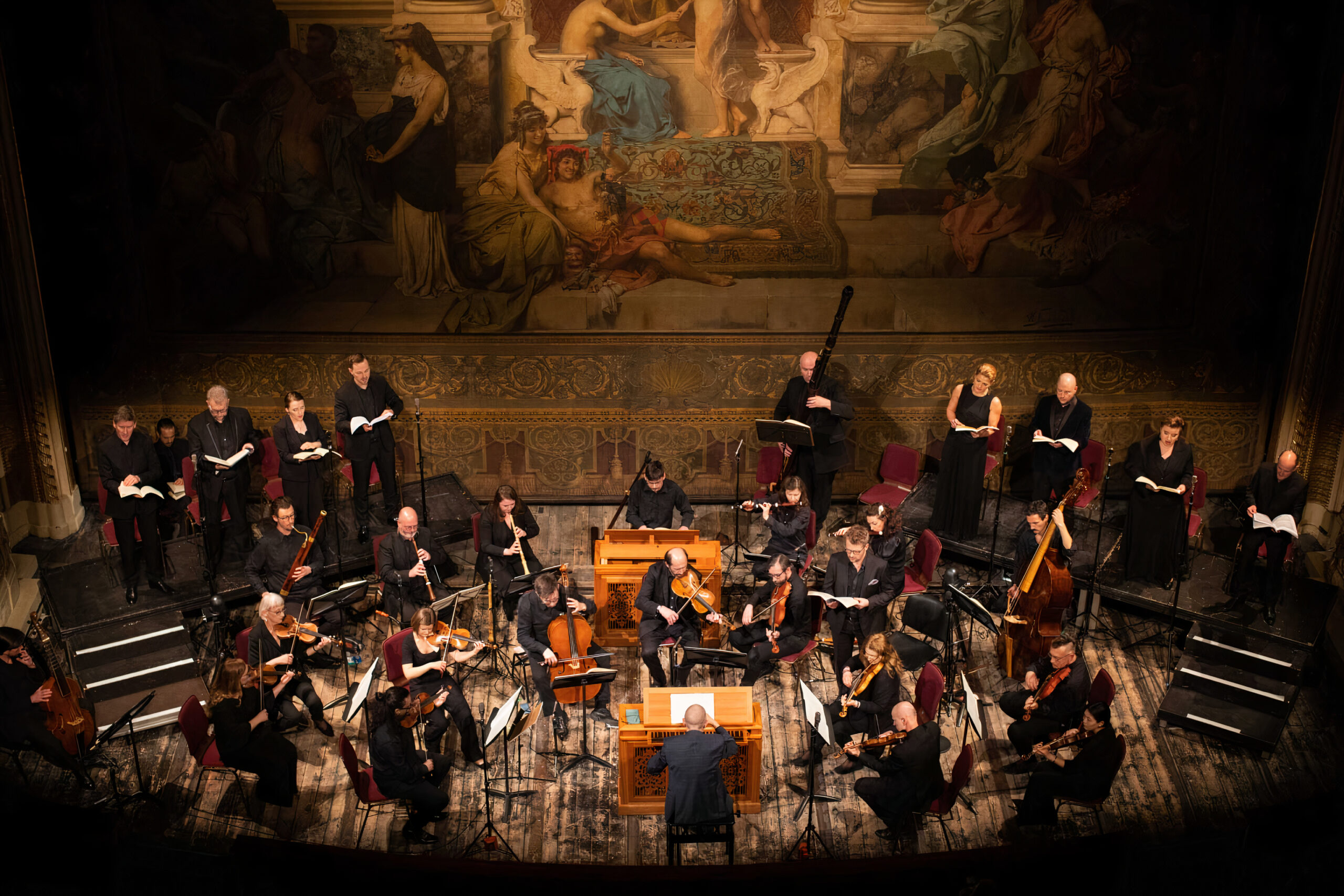
- Capella Cracoviensis
- Antonina Ruda soprano
- Ilona Szczepańska mezzosoprano
- Łukasz Dulewicz alto (countertenor)
- Piotr Szewczyk tenor
- Szczepan Kosior tenor
- Sebastian Szumski bass (baritone)
- Andreas Arend theorbo
- Klaudia Łoboda positive organ
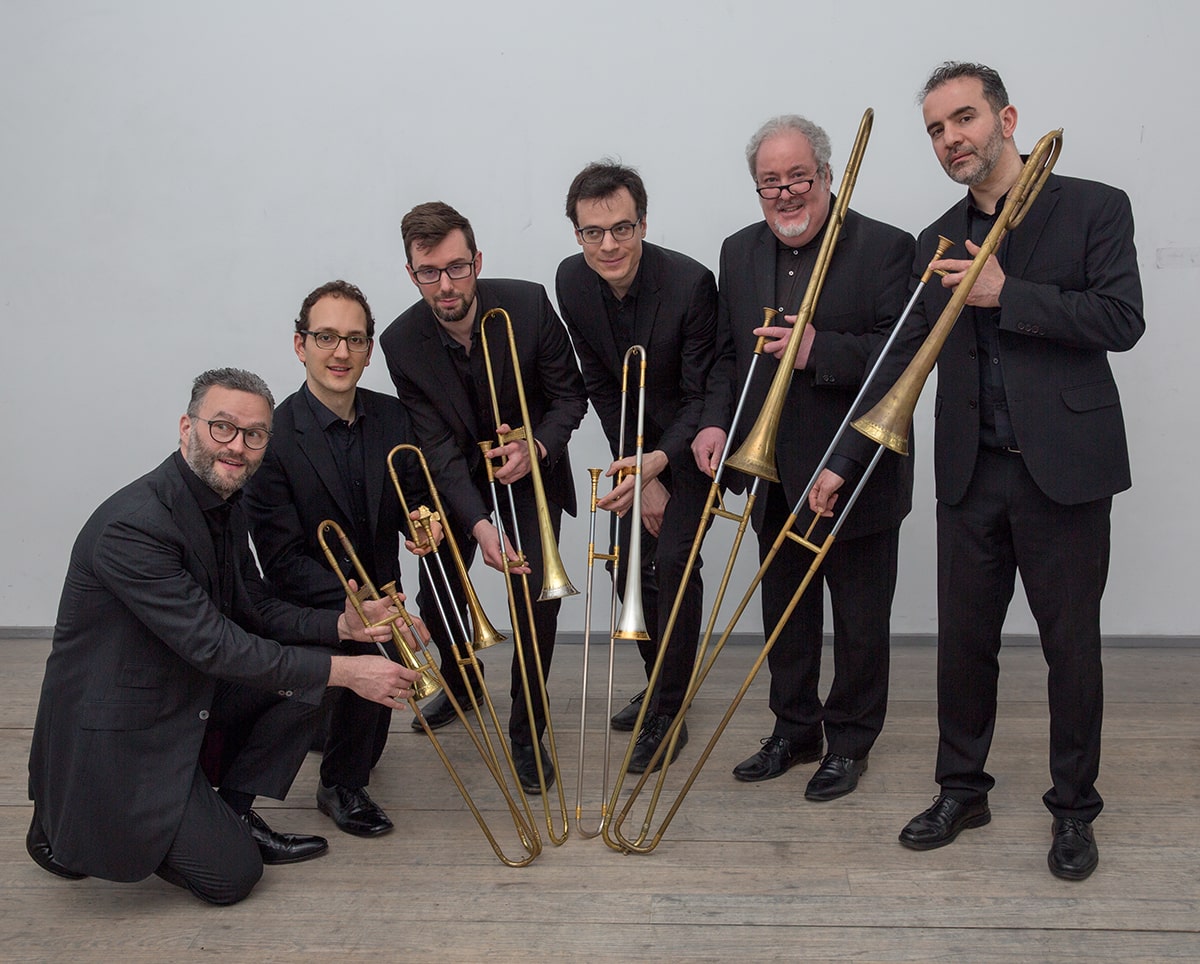
- Oltremontano
- Matthijs Lunenburg cornett
- Marleen Leicher cornett
- Wim Becu trombone
- Raphaël Robyns trombone
- Tural Ismayilov trombone
- Carles Vallès dulcian
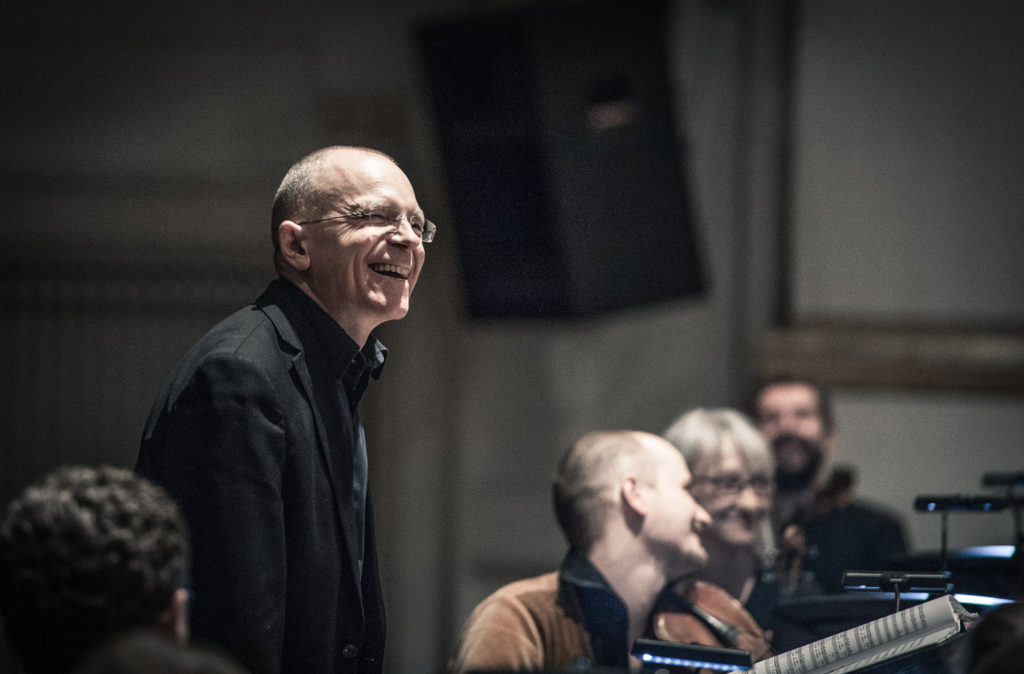
- Jan Tomasz Adamus conductor, artistic direction
Programme
Andrea Gabrieli (1510–1586) Motet O sacrum convivium for 5 voices from the collection Sacrae cantiones quinque vocum, liber primus (publ. Venice 1565)
Mikołaj Zieleński (ok. 1550–1615) Offertoria et communiones totius anni (selection, publ. Venice 1611)
Offertory Ortus de Polonia for 8 voices in 2 choirs
I choir: 2 cornetts, soprano, alto, tenor, bass, dulcian
II choir: mezzosoprano, tenor, 3 trombones, positive organ
Communio Gaudete iusti in Domino for 6 voices
soprano, mezzosoprano, alto, 2 tenors, bass, 2 cornetts, 3 trombones and dulcian
Offertory Posuisti, Domine, iniquitates nostras for 7 voices in 2 choirs
I choir: 3 trombones, alto, tenor
II choir: tenor, bass, dulcian and positive organ
Communio Video caelos apertos
soprano solo, cornett and positive organ
Offertory Iustus ut palma florebit for 7 voices in 2 choirs
I choir: 2 sopranos, alto, tenor, 2 cornetts
II choir: 2 trombones, alto, tenor, bass, dulcian, positive organ
Communio Exiit sermo
bass solo, trombone and positive organ
Offertory Inveni David servum meum for 8 voices in 2 choirs
I choir: cornett, soprano, 3 trombones, bass
II choir: cornett, soprano, alto, tenor, dulcian, positive organ
Communio In splendoribus sanctorum
tenor solo, dulcian and positive organ
Offertory Anima nostra for 7 voices in 2 choirs
I choir: 2 cornetts, 2 sopranos, tenor
II choir: 3 trombones, dulcian, alto, tenor, bass
Communio Beatus servus for 3 voices
2 cornetts and dulcian
Communio Tu puer propheta for 5 voices
soprano, alto, 2 tenors, bass and positive organ
Offertory Laetentur omnes for 8 voices in 2 choirs
I choir: cornett, dulcian, soprano, alto, tenor, bass
II choir: alto, tenor, cornett, 3 trombones
Claudio Monteverdi (1567–1643) Motet Adoramus te for 6 voices, SV 289 from book I of the collection Motetti in lode d’Iddio nostro Signore by Giulio Cesare Bianchi (publ. Venice 1620)
Mikołaj Zieleński Hymn Magnificat for 12 voices in 3 choirs from the collection Offertoria et communiones totius anni
Concert description
Offertoria included multi-choir works with instruments, with the twelve-voice (i.e., three four-voice choirs) Magnificat at the front Although Venice joined the ranks of important musical centers later than other cities in northern Italy, once it did, it eclipsed them all. Even before opera began to reign supreme in the 17th century, church music dominated, in a rich, expansive, and not necessarily contemplative style, performed, for example, in the monumental St. Mark’s Basilica. La Serenissima was also one of the European capitals of music printing. Publishing works in one of the local printing houses was a certificate of quality. Among Polish composers, this was achieved by Mikołaj Zieleński. In 1611, Giacomo Vincenti published two volumes of his religious works arranged chronologically according to the liturgical year: Offertoria totius anni and Communiones totius anni. Zieleński dedicated the collection to the Primate of Poland, Archbishop Wojciech Baranowski of Gniezno. He was the organist and kapellmeister in his private chapel at the castle in Łowicz (of which, unfortunately, only ruins remain). Does this mean that at that time the “second capital of Poland” had the most fashionable music? Definitely. Offertoria featured multi-choir works with instruments, with the twelve-voice (i.e., three four-voice choirs) Magnificat at the front. In Communiones, the composer included more intimate pieces, also monophonic ones – these are the first monophonic compositions in Poland with basso continuo accompaniment and the participation of concert instruments.
– Dominika Micał (pisanezesluchu.pl)