


Performers
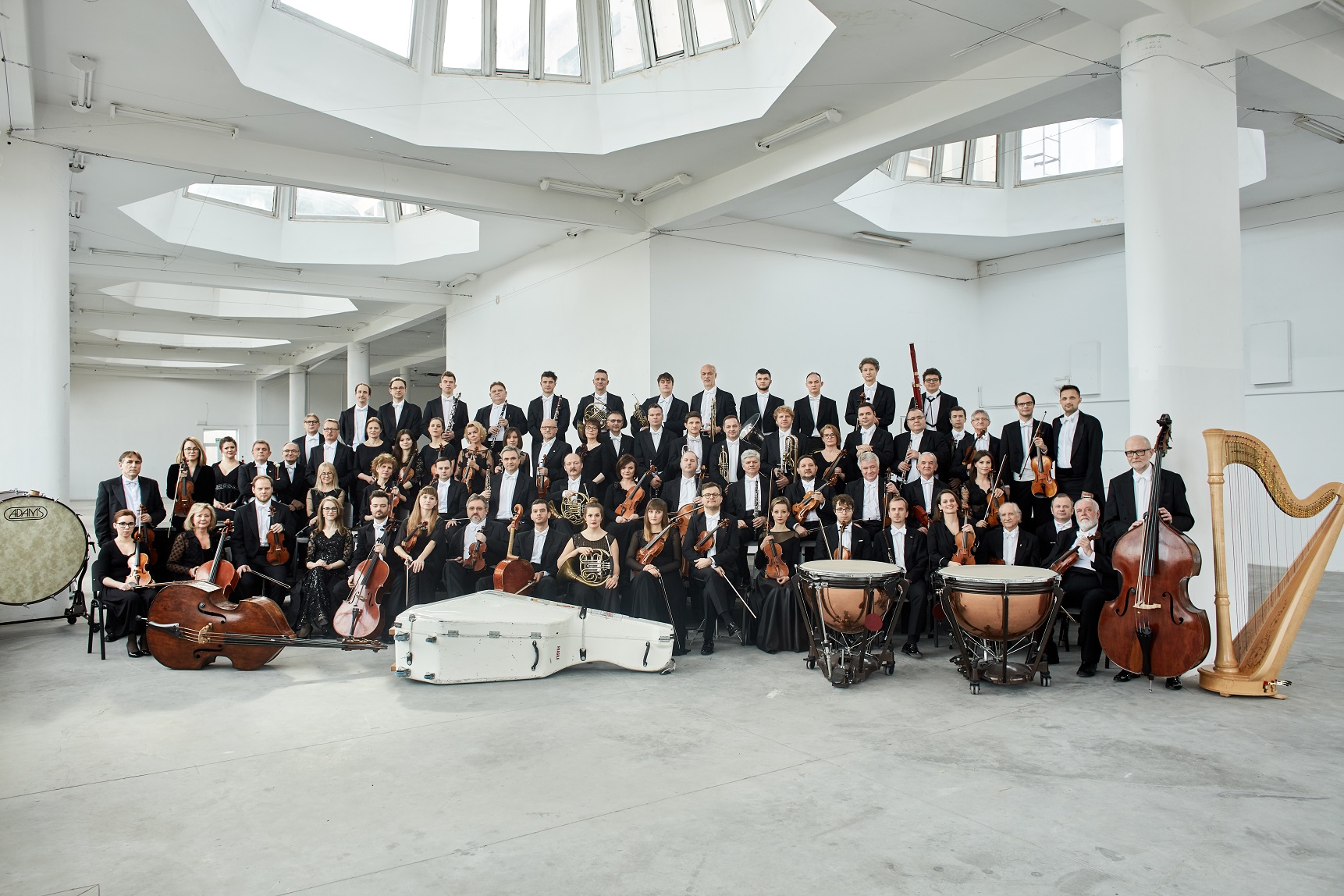
- Sinfonia Varsovia
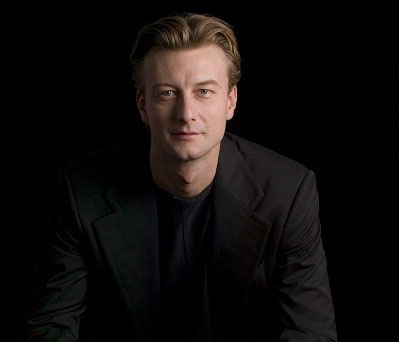
- Christian Arming conductor
Programme
Bedřich Smetana Symphonic poem Šárka from the cycle My Fatherland (Má vlast), JB.1:112/3 [9’]
Antonín Dvořák Symphony No. 8 in G major, Op. 88 [40’]
I. Allegro con brio
II. Adagio
III. Allegretto grazioso
IV. Allegro ma non troppo
Concert description
Of the Czech legends that inspired Bedřich Smetana’s My Fatherland, the one about Šárka is the bloodiest. After the death of the legendary founder of Prague, Libuše (to whom the composer dedicated the opera), the women led by Vlasta waged war against the ruler’s widower. Šárka tricked – pretending to be a damsel in distress – sedated and led to the slaughter of an entire troop of Přemysl’s knights in revenge for her lover’s infidelity. Of the entire cycle of symphonic poems, this one has terms of tempo and expression indicating the greatest emotions, such as con fuoco (“with fire”) – in the episode corresponding to Šárka’s anger, and con calore (“fervently”), when the leader of the knights, Ctirad, falls in love with the heroine, who is about to lull him to sleep with poisoned honey and kill him. My Fatherland, among other works, earned Smetana the title of the father of Czech music; Antonín Dvořák would probably have been its, much younger, godfather, then. Of his symphonies, the Eighth is perhaps the most cheerful, thrilling in its liveliness and grandeur. The composer wrote it on a wave of joy over his acceptance into the Bohemian Academy of Science, Literature and Arts. It was created at a frenetic pace in less than three months. He even had a surfeit of ideas at the time “Melodies are pouring out of me. (…)If only one could write them down straight away! But there—I must go slowly, only keep pace with my hand.” The idyllic, earnest pastorality of the piece is only occasionally interrupted by a darker tone, and the military coda of the whole thing has nothing menacing about it – rather, it’s almost a circus parade in gala costumes.
– Dominika Micał (pisanezesluchu.pl)